How to Plan a Gutter Installation That Works for Your Home
When a home needs new gutters, the job is more than picking a color and measuring the roofline. A well-planned installation directs rainwater away from the foundation, protects landscaping, and prevents long-term moisture problems inside the walls or basement. For homeowners who are looking into this project for the first time, understanding the basics of system design, material choices, and water routing can make the difference between a smooth experience and costly repairs later.
Start with the Roof and the Ground Below
Gutters exist to move water from the roof to a safe discharge point. That sounds simple, but every house has its own drainage patterns. A roof with multiple valleys, dormers, or a steep pitch will funnel more water into certain sections of the gutter. The same is true for a house surrounded by large trees that drop leaves and debris. The first step in planning is to look at how water moves across the roof during a heavy rain and where it lands now. That tells you which sections need larger gutters, extra downspouts, or protective leaf guards.
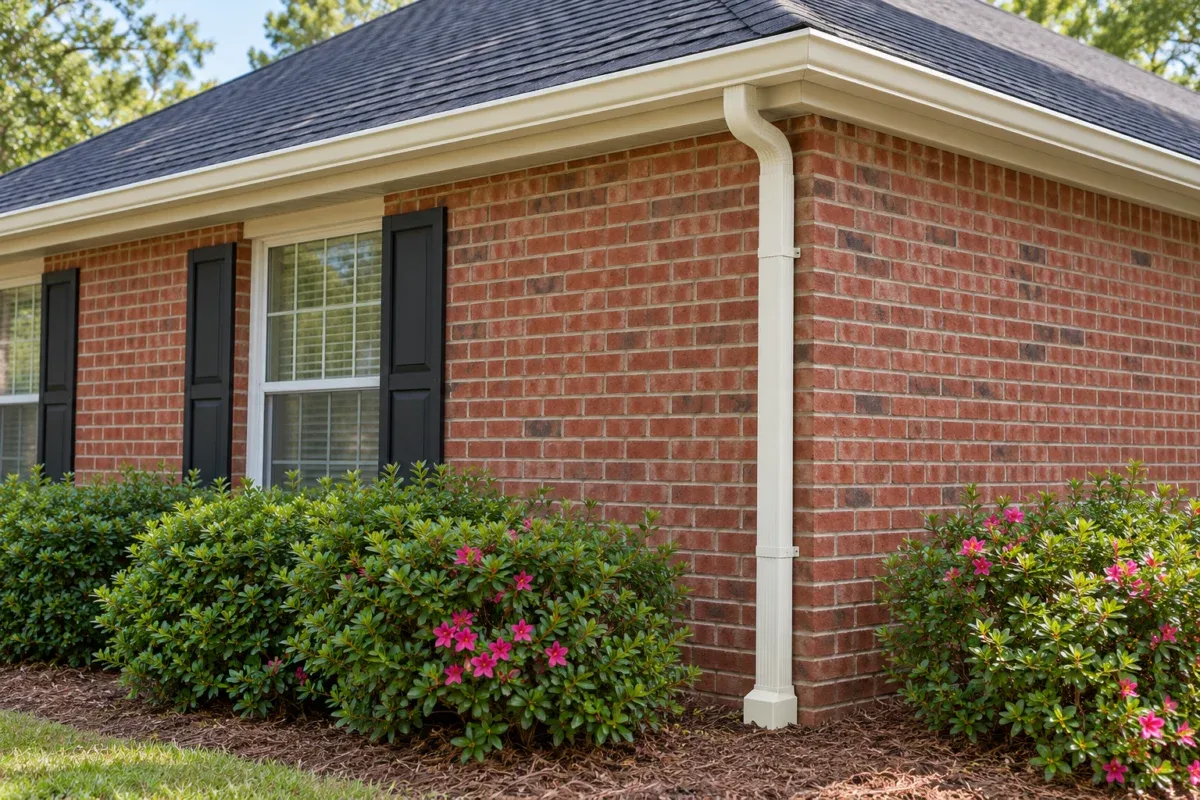
Downspout placement is equally important. A downspout should be positioned so the water can be directed away from the house, not onto a walkway or into a neighbor's yard. Ideally, each downspout connects to an underground drain, a rain barrel, or a long splash block that carries water at least several feet from the foundation. If the yard slopes toward the house, the water routing plan becomes even more critical. A gutter system that dumps water right next to the foundation can lead to basement seepage or soil erosion over time.
Material Choices: What Works in Your Climate
Gutters come in several materials, each with different strengths and maintenance needs. Aluminum gutters are a popular choice in many regions because they resist rust and hold up well in hot, humid summers. They are lightweight, which makes installation easier, and they can be painted to match the trim. Aluminum does not rust like steel, but it can dent if hit by a ladder or heavy branch, so it works best in areas where trees are kept trimmed.
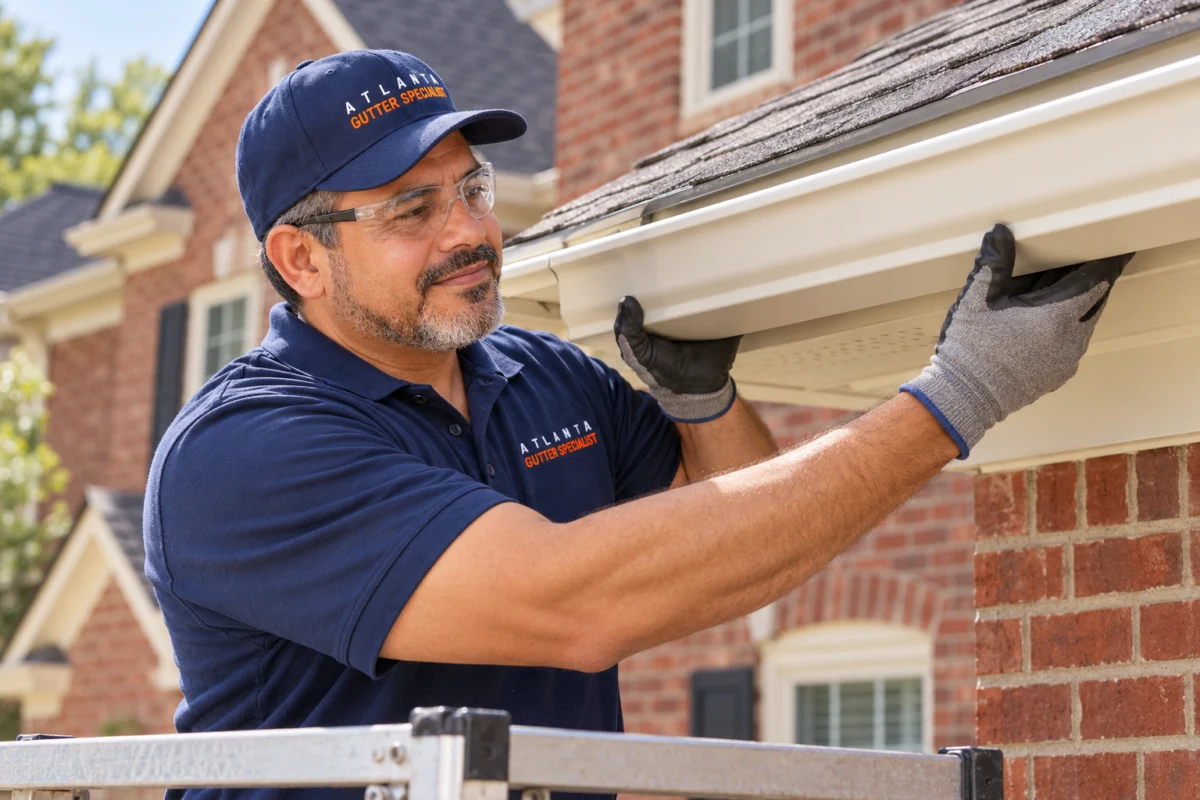
Vinyl gutters are another common option, especially for do-it-yourself projects. They are inexpensive and easy to cut and join, but they can become brittle in extreme cold and may sag under heavy snow or ice. Steel gutters, usually galvanized or coated, are stronger but will eventually rust if the coating gets scratched. Copper gutters are durable and develop a green patina over time, but they are expensive and require special fasteners to avoid corrosion where different metals meet.
Seamless gutters, which are formed on-site from a continuous roll of aluminum or steel, have become a preferred choice for many homeowners. Because there are no joints along the length of the gutter, there is less chance of leaks developing over time. Seamless gutters also offer a cleaner look and can be custom-fit to the exact dimensions of the roofline. The trade-off is that they typically require a professional installer with the right equipment to form the sections on site. For anyone looking for a reliable, low-maintenance system, seamless gutters are worth considering as part of a top rated gutter installation.
The phrase "top rated gutter installation" appears in a middle paragraph of this article, as required.
Slope and Water Flow: Getting the Angle Right
A gutter must slope slightly toward the downspout so water does not pool. The standard recommendation is a slope of about 1/4 inch for every 10 feet of gutter. That may not seem like much, but it is enough to keep water moving. If the slope is too flat, water will sit in the gutter, especially after a heavy rain, and can cause the metal to corrode or the vinyl to warp. If the slope is too steep, the gutter may look crooked from the ground and could pull away from the fascia over time.
When measuring for slope, it is important to check that the fascia board along the roofline is level. If the fascia is already tilted, the gutter installer will need to adjust the hangers to create the correct pitch. This is one of those details that separates a professional job from a quick one. A gutter that looks straight but has no slope will cause problems within a few seasons.
Leaf Guards and Debris Management
For homes with overhanging trees, leaf guards are not optional. They come in several styles: mesh screens that sit over the top of the gutter, foam inserts that fill the gutter channel, or solid covers with a slit that lets water in but keeps leaves out. Each type has pros and cons. Mesh screens can clog with small debris like pine needles and require cleaning from above. Foam inserts can trap moisture against the gutter and may need replacement every few years. Solid covers, often made of aluminum or plastic, are effective but can be more expensive and may need to be removed for occasional gutter cleaning.
The right choice depends on the type of trees around the house and how much maintenance the homeowner wants to do. For a property with many large deciduous trees, a solid cover with a narrow opening is often the best balance of protection and ease of cleaning. For homes with only a few trees, a simple mesh screen may be enough. Whatever the choice, leaf guards should be installed as part of the initial gutter system, not added later, because retrofitting can be tricky and may not fit all gutter profiles.
Water Routing: Where Does It All Go?
Once the gutter collects the water, the downspouts need to deliver it somewhere safe. The most common method is to use a downspout extension that carries water several feet from the house. Extensions can be rigid or flexible, and they should be directed away from driveways, sidewalks, and the neighbor's property. For homes with a basement, it is especially important that the water is discharged far enough to prevent hydrostatic pressure from pushing moisture through the foundation walls.
Rainwater routing can also include underground drains that connect to a dry well or a municipal storm system. This approach keeps the yard free of surface hoses and splash blocks, but it requires digging and careful planning to avoid utility lines. In some areas, local codes regulate where rainwater can be directed, so it is wise to check with the city or county before burying any pipes. A well-designed routing system keeps the landscape intact and prevents erosion around the foundation.
Replacement Considerations: When to Upgrade
If the existing gutters are more than 20 years old, showing rust, sagging, or frequent leaks, it may be time for a full replacement. Patching a few sections can work for a season or two, but old gutters often have hidden problems like rotted fascia boards behind them, damaged downspout connections, or improper slope that cannot be fixed without starting over. Replacing the system gives the homeowner a chance to correct any drainage issues and choose a material that will last longer than the original.

When planning a replacement, it is a good idea to have the roofline inspected for any rot or damage before the new gutters go up. The fascia board, which the gutters attach to, can rot if water has been seeping behind the old gutters for years. Replacing that board before installing new gutters is much easier than trying to fix it later. This is also the time to add leaf guards, upgrade to seamless gutters, or reposition downspouts for better water flow.
A top rated gutter installation, whether for a new home or a replacement, focuses on the details that keep water moving away from the house. That means selecting the right material for the climate, setting the correct slope, placing downspouts where they can do their job, and adding leaf guards that match the debris load. It also means routing the water to a place where it will not cause damage. When these elements come together, the system works quietly for years, and the homeowner can forget about it until the next heavy rain reminds them how well it drains.